In Person Info Session Saturday February 21, 2026 11:00am-1:00pm

Gratitude Village FAQs
This page covers most of the questions we get asked frequently. It is also available as a .pdf document. Reach out if you would like us to email it to you.

🏘️ Building / Construction Questions
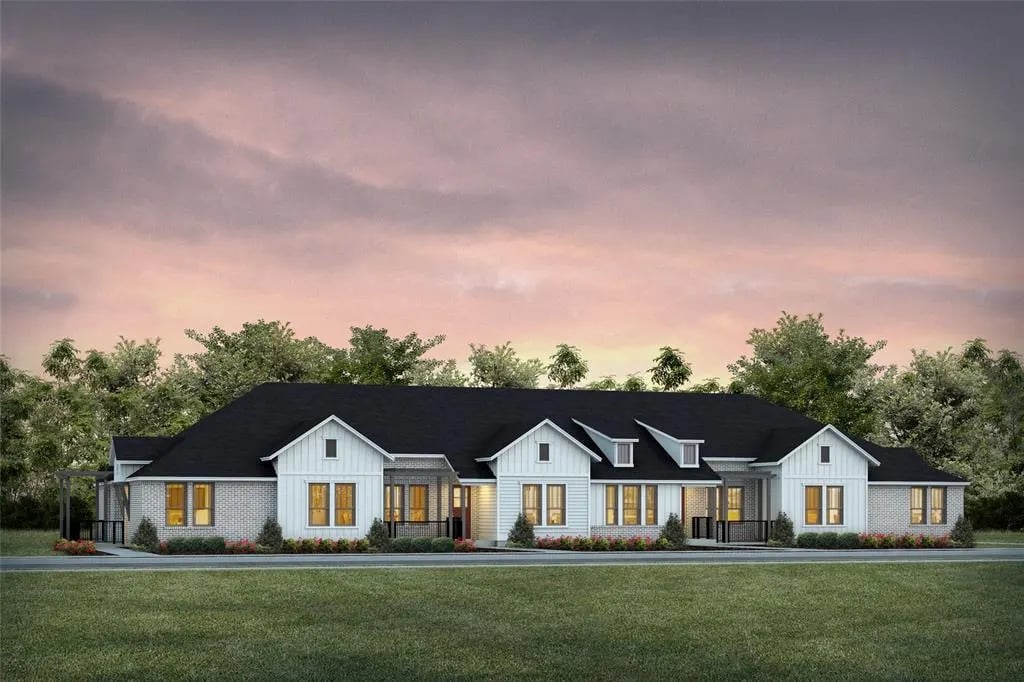
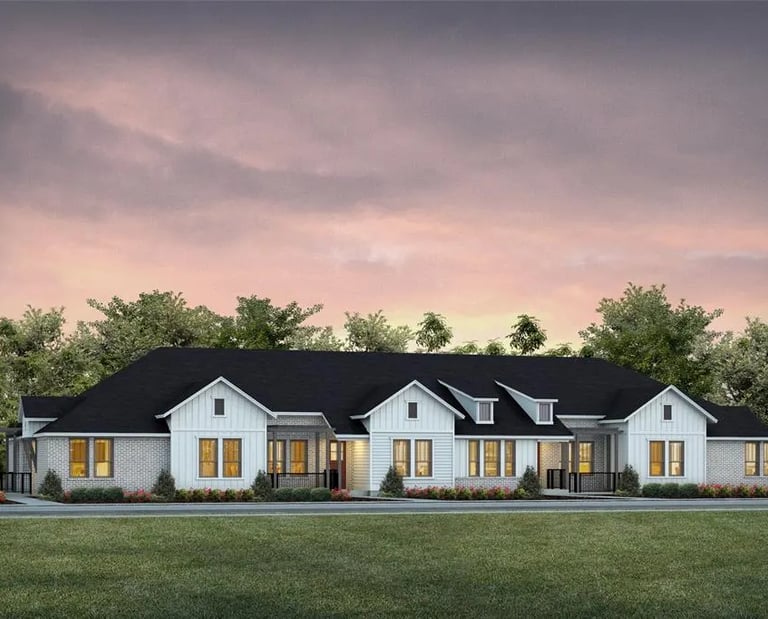
What types of homes will be available? Our plan includes a mix of condominiums, townhomes and detached single-family homes, some with optional Accessory Dwelling Units (ADUs). Every home will be energy-efficient, comfortable, and crafted to encourage both privacy and connection.
What does NetZero mean? NetZero means our community produces as much energy as it consumes — or even more. Gratitude Village will achieve this through smart design, high efficiency, and renewable energy systems like solar (and possibly geothermal). The result? Homes that are comfortable, resilient, and remarkably affordable to operate.
What does LEED stand for? LEED stands for Leadership in Energy and Environmental Design. It’s the gold standard for sustainable building — covering everything from construction materials and energy use to water efficiency and air quality. Both individual buildings and the community as a whole can be LEED certified, and that’s exactly what we’re aiming for.
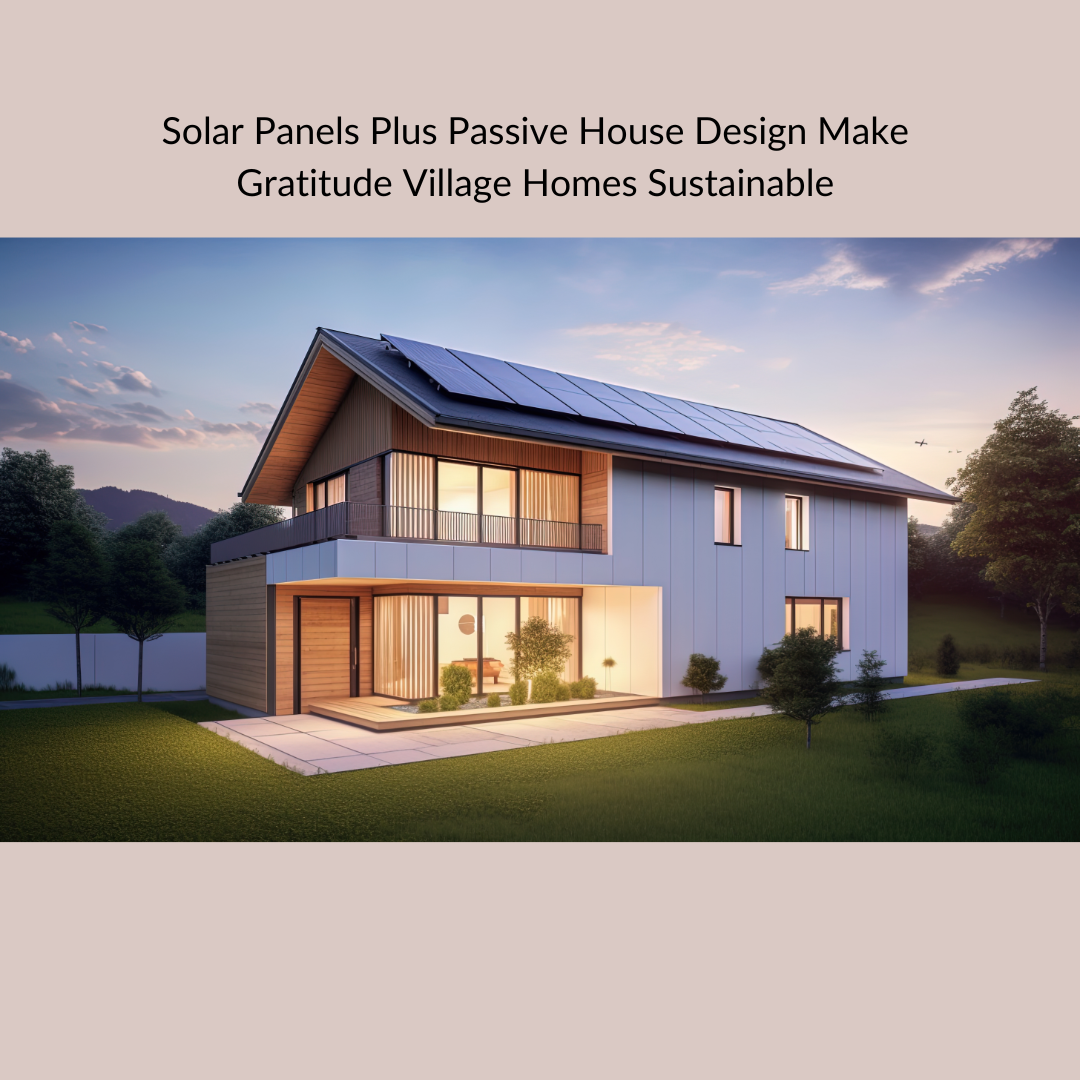
What is a Passive House? A Passive House is designed to be so well insulated, airtight, and efficient that it needs very little energy to stay warm in the winter and cool in the summer. By relying on passive solar design and advanced ventilation, these homes are comfortable, quiet, and incredibly healthy to live in — all while using 70–90% less energy than a typical home.
Is this an HOA or something else? Most cohousing communities begin as an LLC during development and transition to an HOA once residents move in. Gratitude Village is a bit unique — we began as a nonprofit charitable corporation so we can receive grants, donations, and low-interest loans to help keep homes affordable. Once we purchase land, we’ll form an LLC (either under the nonprofit or as a separate entity, depending on legal advice). From there, the project will proceed like a traditional cohousing development, ultimately transitioning to an HOA when residents move in.
Will I own my own home? Yes! Every household will own its home just like in a traditional neighborhood. Some homes may be part of a community land trust, meaning the house is owned by the homeowner while the land beneath it is owned collectively — a model that helps keep housing permanently affordable.
Can I choose my own finishes or floor plan? Yes — to a degree! Founding Members participate in design workshops where we’ll make decisions together about layouts, finishes, and shared spaces. It’s one of the most rewarding parts of creating a community from the ground up.
Can I make improvements to my house? Absolutely. Just like in any neighborhood, you can personalize and improve your home. Interior renovations are entirely up to you. Exterior changes may be guided by HOA or community agreements to maintain design harmony, but those guidelines will be decided collectively by residents once we move in.
Can I sell my home? Yes. Homeowners can sell their homes independently, with or without a realtor. If you own a subsidized or deed-restricted home, there may be limits on resale profit to ensure long-term affordability — but you’ll still benefit from the equity you’ve built.
What is an ADU and can I build one? An ADU (Accessory Dwelling Unit) — often called a mother-in-law suite or carriage house — is a smaller, secondary living space on the same property. At Gratitude Village, some homes will have the option to include an ADU, either as a basement apartment or a detached unit in the backyard, depending on lot size and design.
Can I rent out my ADU? Yes! Homeowners are welcome to rent their ADUs. Renters become part of the community, too — they’ll participate in meetings and workdays just like homeowners.
Will I have my own kitchen? Yes, every home will have a private kitchen. Many residents also enjoy sharing meals in the Common House — but participation is completely voluntary. You can choose when to join in and when to enjoy quiet time in your own space.
How much privacy will I really have? As much as you want! Homes are designed to balance community and privacy. Kitchens and home offices may face toward shared courtyards for casual connection, while bedrooms and living spaces are more private. We may even include design cues — like adjustable window coverings or outdoor signals — to help neighbors know when you’re open for a chat or need quiet time.
Have the developer, architect, engineer, or builder been selected yet? Not yet — we’re currently reviewing potential partners and welcome recommendations. Our priority is to work with teams experienced in sustainable, community-oriented design and construction.
👨👩👧👦 Community / Membership Questions
Do Exploring and Founding Families get together as the community is developing? Yes! Our Founders and Explorers already meet regularly. Business meetings are held the second Saturday of each month at a local library, and we gather quarterly for social events to get to know one another. Everyone is also welcome to observe our monthly Board meetings. It’s a great way to stay connected, ask questions, and start forming friendships before the first homes are even built.
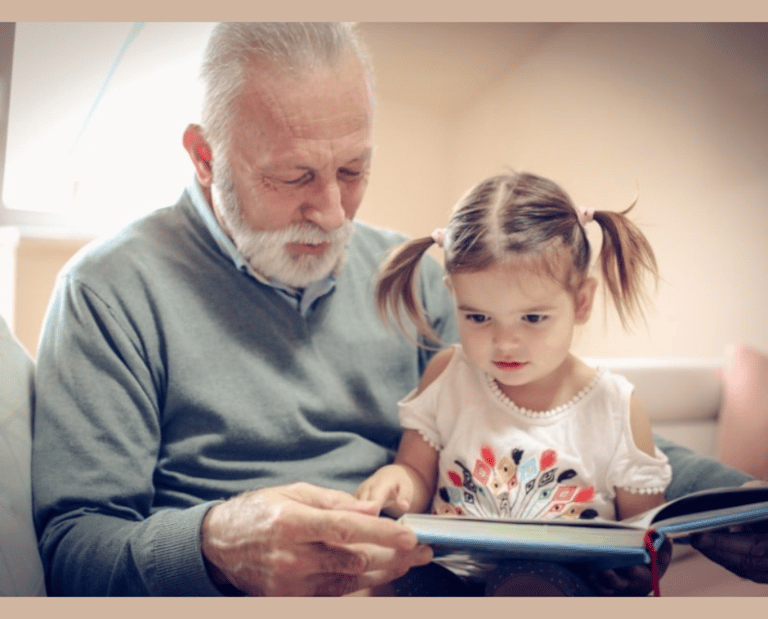
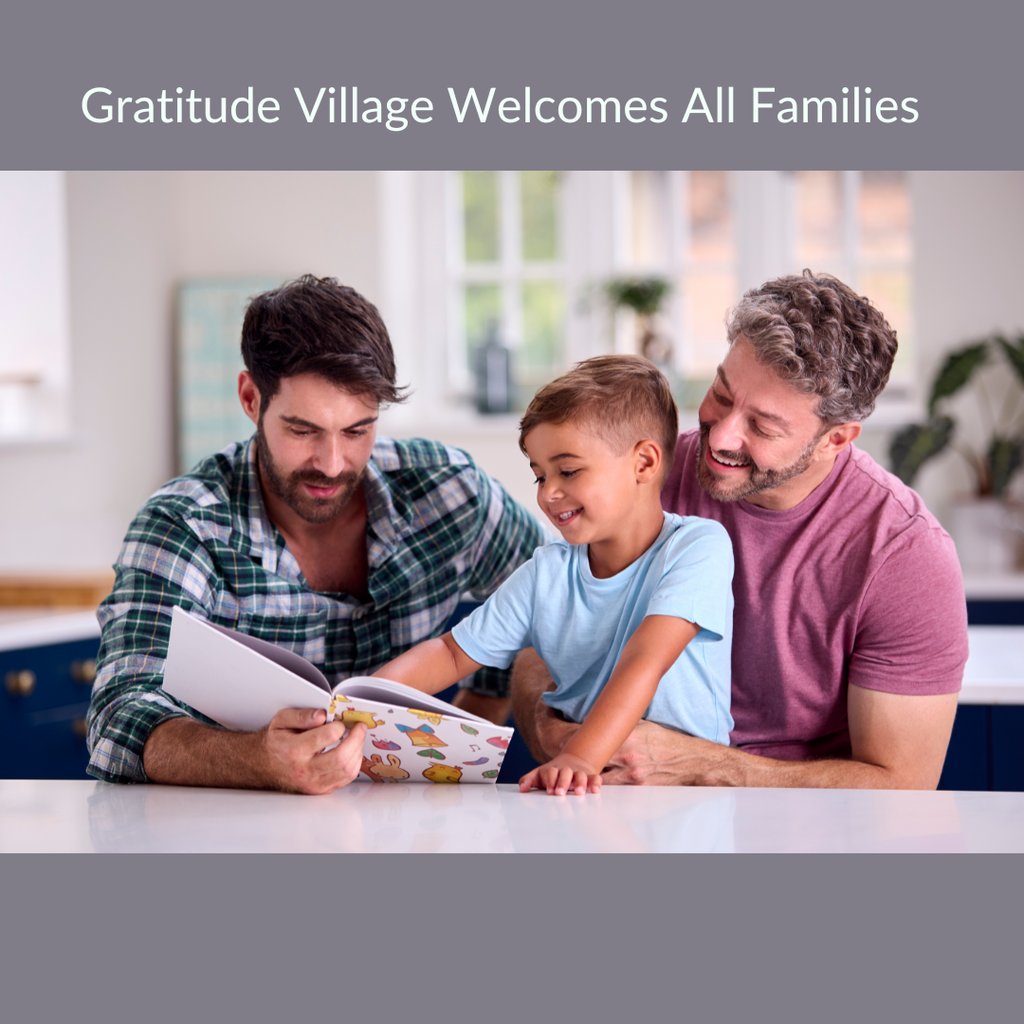
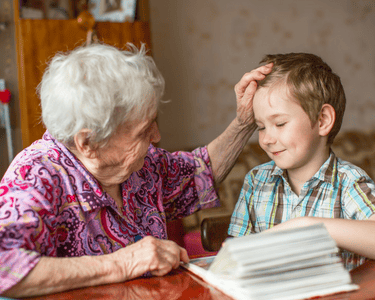
Will there be other families with children? Absolutely! We already have several families with kids and grandkids — and one of our Founding families includes school-aged children. Gratitude Village is designed to be multigenerational, mixed-income and inclusive, with an emphasis on supporting families. Our subsidized homes will help make that possible, so parents can focus more on raising children and less on rising housing costs.
If I am an introvert will I fit in? Without a doubt! In fact, most cohousing residents describe themselves as introverts. Because Gratitude Village is a safe, supportive community where neighbors know and trust one another, introverts often feel more comfortable — and more social — than they expect. Plus, participation is flexible: you can choose quieter, more independent tasks (like tending the garden at dawn or writing the newsletter at midnight) that fit your energy and personality.
How do I know if cohousing is right for me? The best way to find out is to experience it! We recommend visiting a few established cohousing communities to see how they feel in person. Reflect on your own lifestyle, communication style, and comfort with collaboration. You can also take our fun and insightful “What’s Your Community Personality?” Quiz to discover how your strengths and preferences might fit into Gratitude Village.
What if I don’t like everyone in the community? That’s perfectly okay! Cohousing isn’t about liking everyone all the time — it’s about choosing to live among people who share your values of respect, cooperation, and kindness. We’ll naturally gravitate toward some neighbors more than others, and that’s normal. Shared meals, workshops, and gatherings help us connect more deeply over time, even when we see things differently.
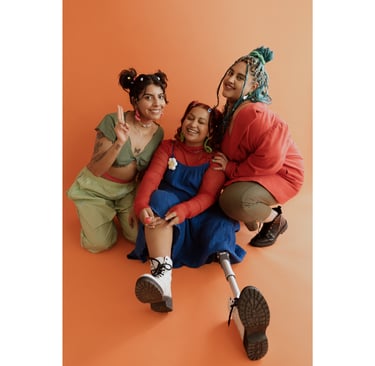
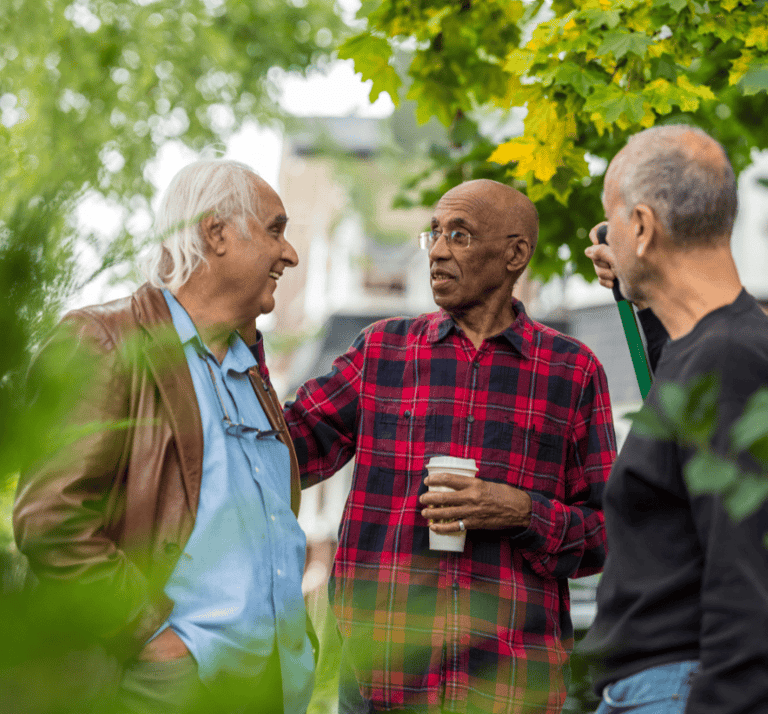
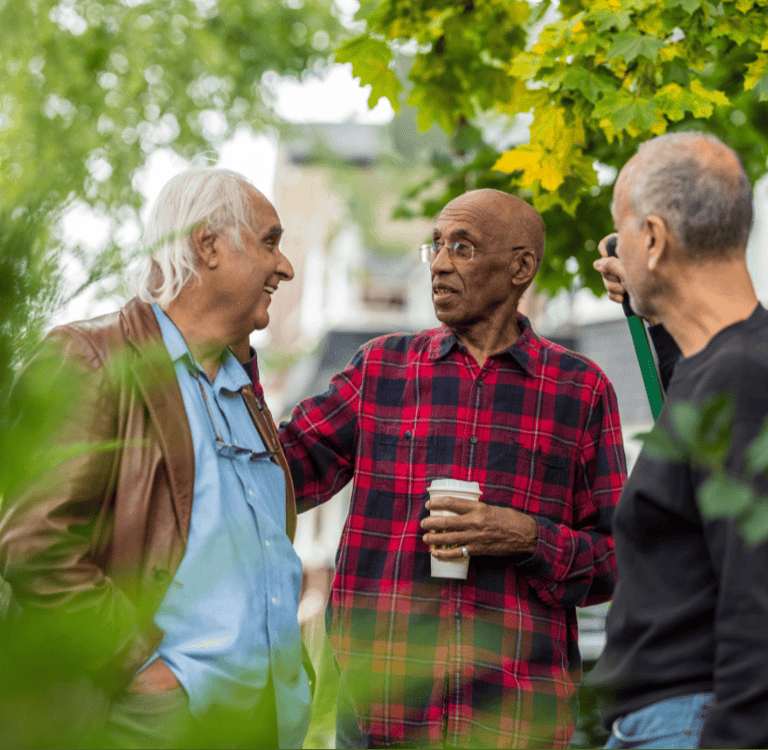
What kind of people will live at Gratitude Village? Gratitude Village is for everyone — young families, retirees, artists, teachers, entrepreneurs, musicians, elders aging in place, adults with disabilities, and more. What unites us isn’t age, income, or background — it’s a shared desire to live with purpose, people, and the planet in mind. Check out our Future Residents page for photos and brief bios of our Founders & Explorers.
I’m looking for support as a parent — will I find that here? Yes, and likely in more ways than you expect. As a multigenerational community, Gratitude Village will include parents, grandparents, teens and retirees who all look out for one another. From informal babysitting swaps to homework help, carpooling, and mentoring, families here can count on genuine support — the kind that turns neighbors into extended family.
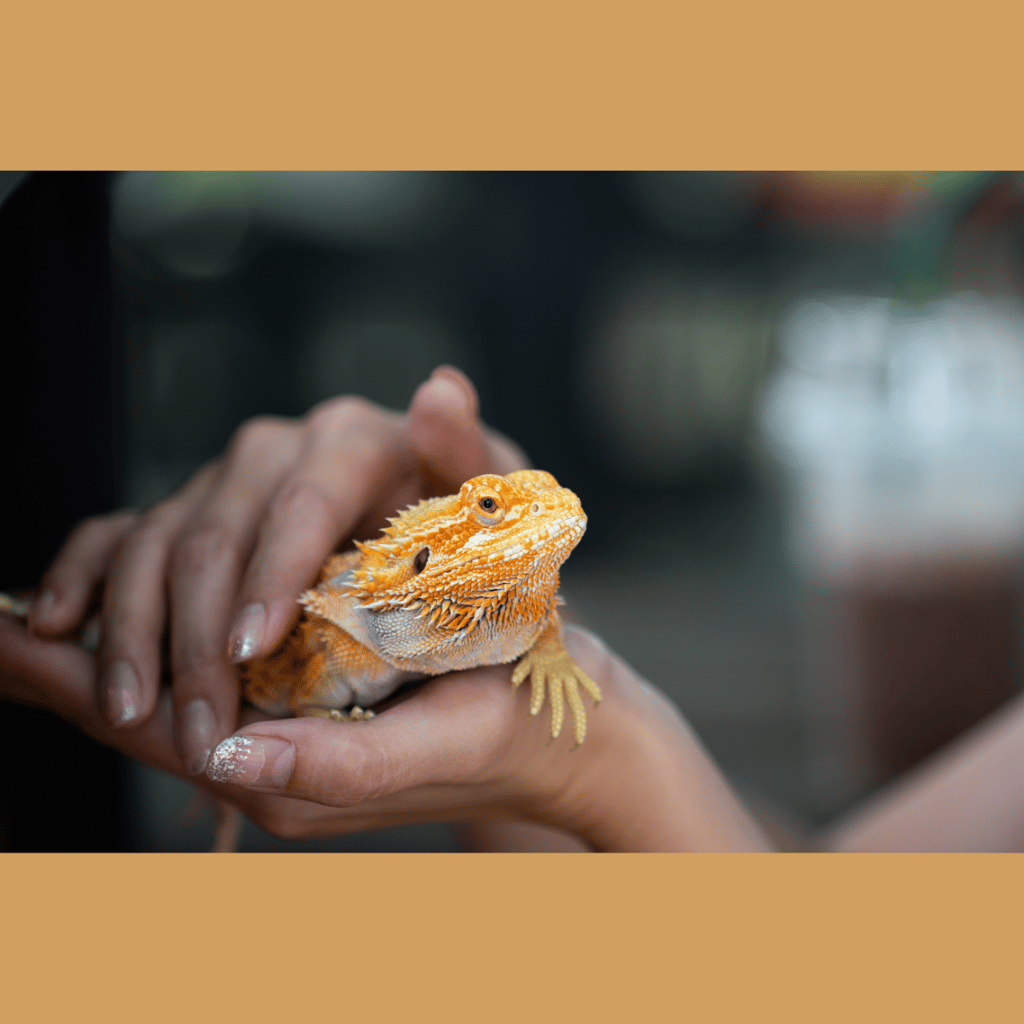
Does Gratitude Village allow pets? Yes! We’re a very pet-friendly community. Our plans even include a dog park as one of the shared amenities (land size permitting). Pets bring joy, companionship, and connection — all values we hold dear.
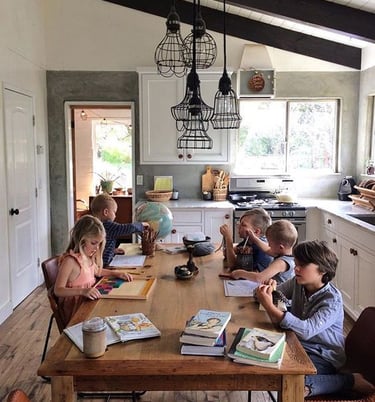
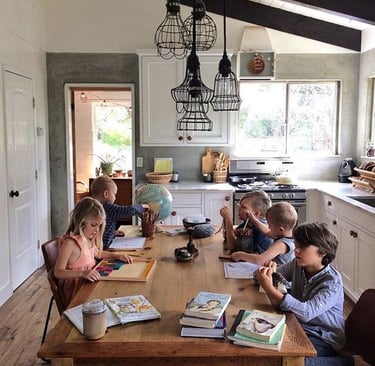
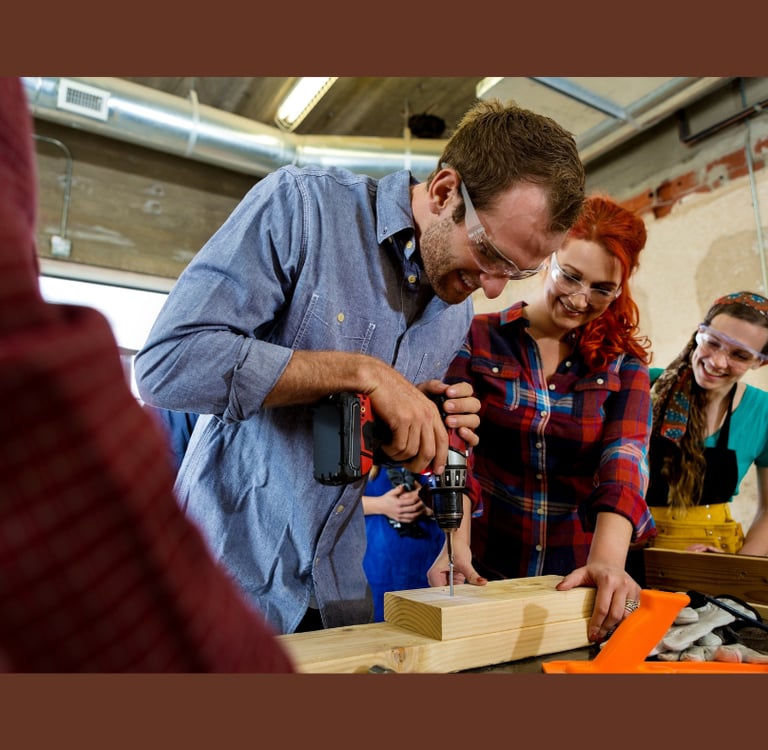
Can I homeschool my children? Absolutely! Several of our founding members are current or former homeschoolers who see Gratitude Village as a natural extension of learning. Kids will have endless opportunities to explore — from the gardens and makerspace to community projects and mentorships with skilled adults. It’s a built-in environment for curiosity, creativity, and hands-on education.
How does Gratitude Village support diversity and inclusion? We’re intentionally creating a community that welcomes people of all ages, abilities, backgrounds, and incomes. Half of our homes are planned to be permanently affordable, and our shared culture celebrates equity, learning, and belonging. Gratitude Village is a place where everyone contributes and everyone matters.
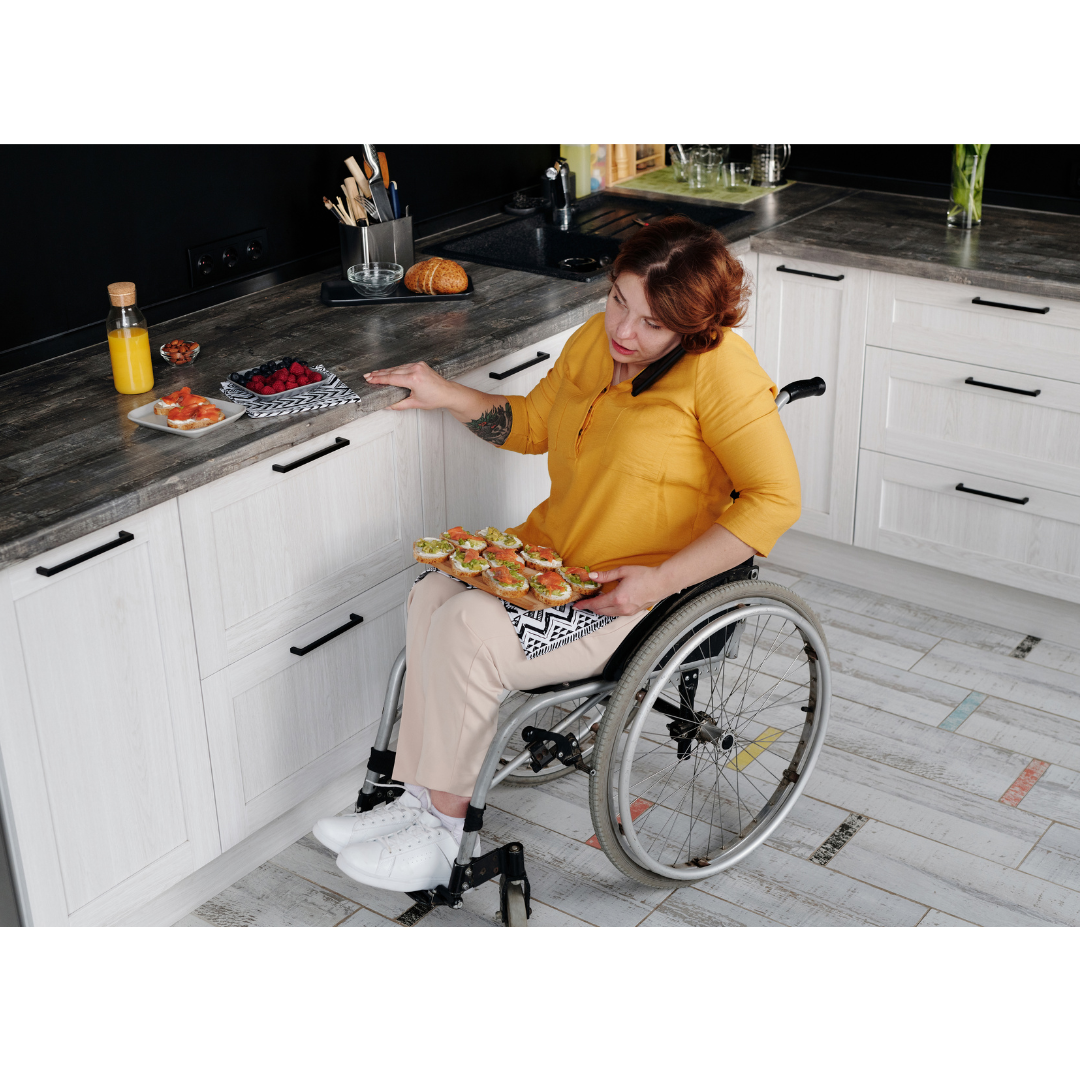
Will there be accessible homes for people with disabilities or mobility challenges? Yes. Every home and common space will follow Universal Design principles to ensure accessibility for people of all ages and abilities. We’re designing for wheelchairs, strollers, and walkers alike — because community should include everyone.
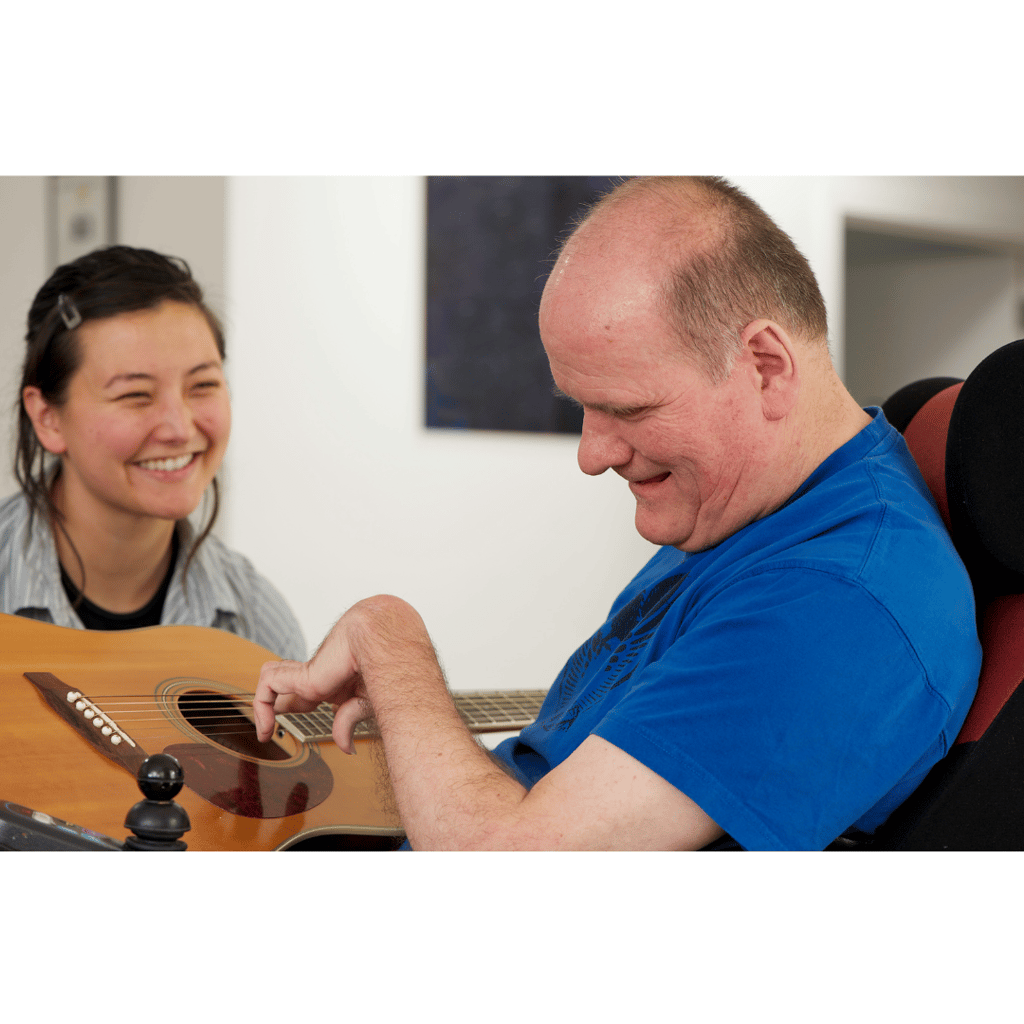
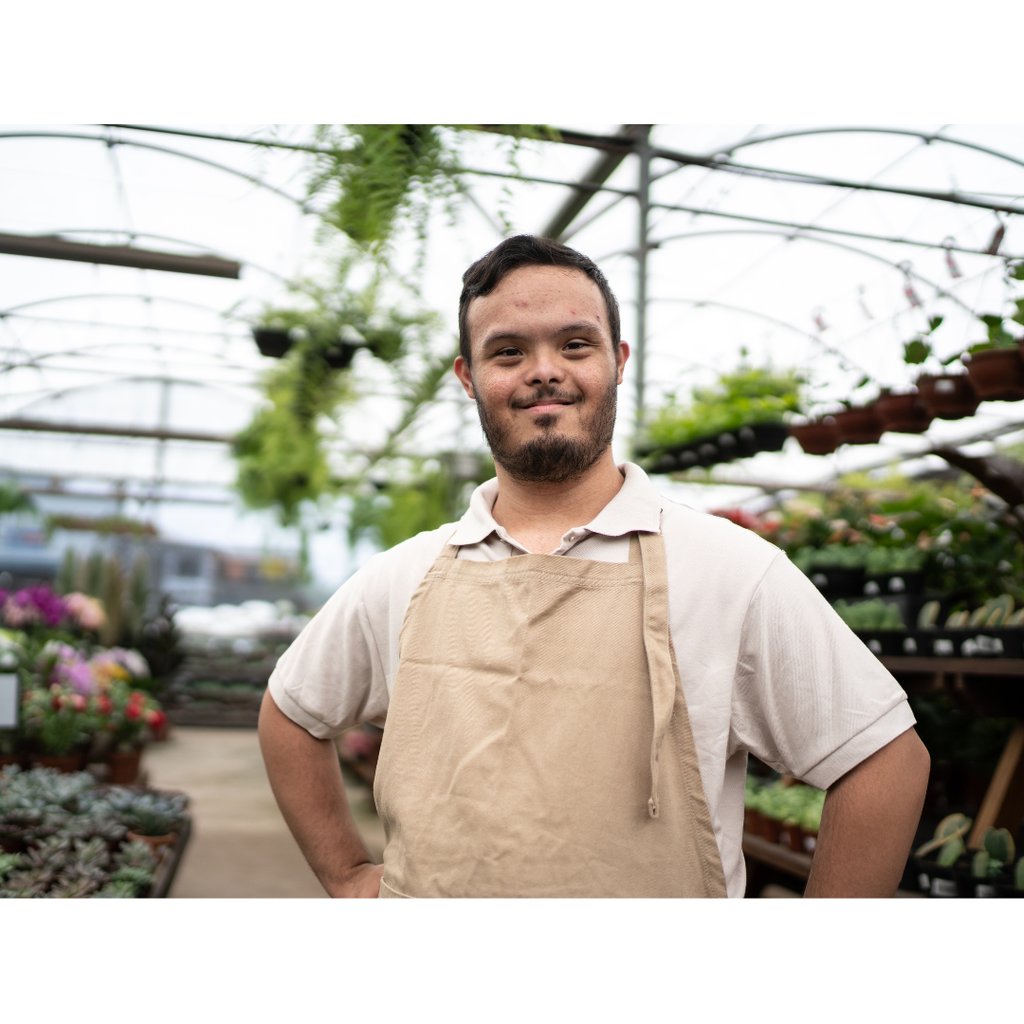
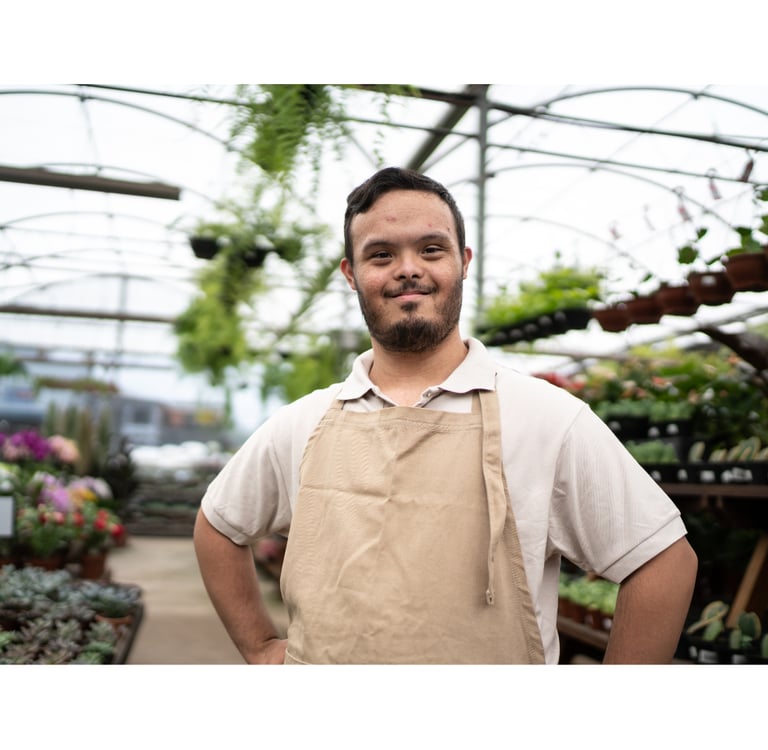
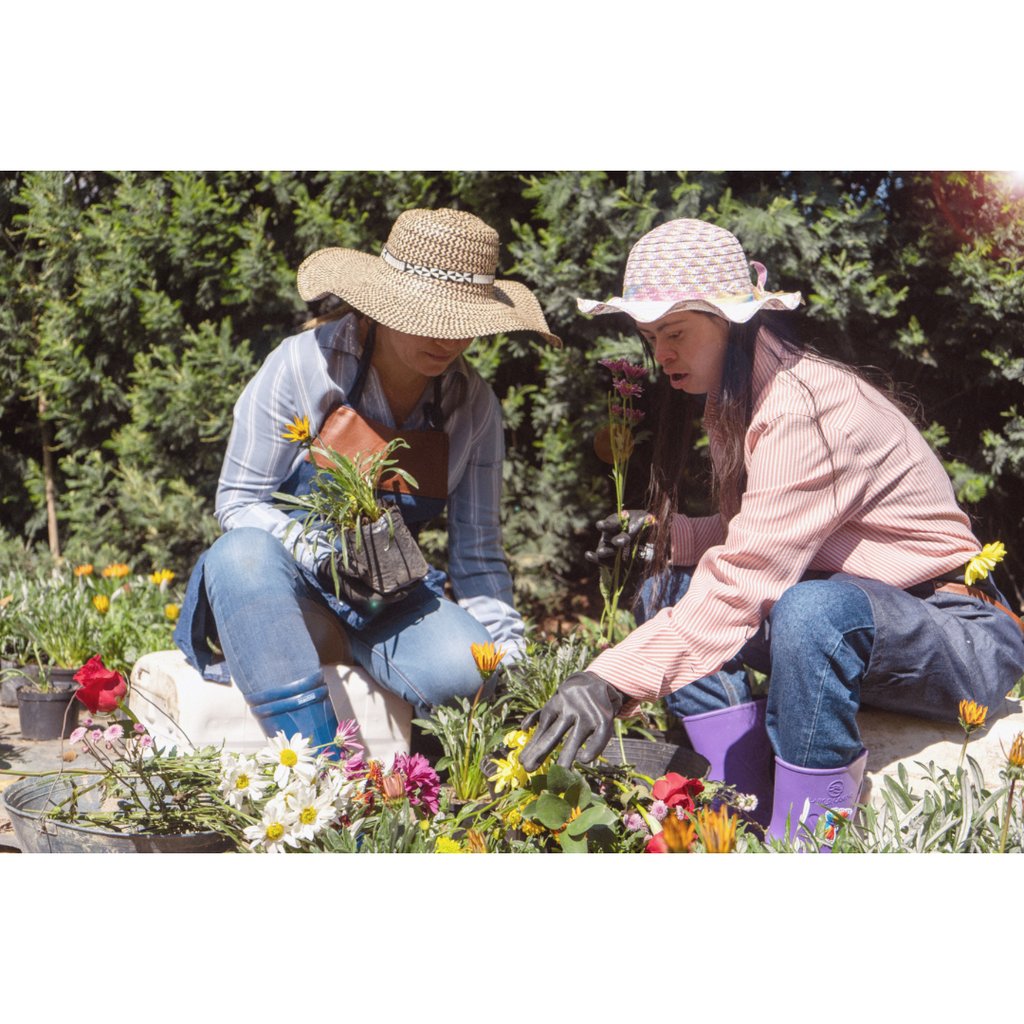
Does Gratitude Village welcome people with intellectual or developmental disabilities (IDD)? Yes, wholeheartedly. Gratitude Village is committed to being an inclusive community where people of all abilities can live, grow, and belong. We welcome individuals and families with intellectual or developmental disabilities (IDD) as full participants in community life. Our homes and common spaces will follow Universal Design principles, and our culture emphasizes mutual support, dignity, and interdependence — so every resident can contribute their unique gifts. We’re also exploring partnerships with local organizations that support adults with IDD to ensure ongoing accessibility, connection, and belonging for all.




⚙️ Governance / Participation Questions
How is the community managed once people move in? Gratitude Village will be managed by its residents through a homeowners association (HOA) that operates using Sociocracy, a collaborative governance model that values consent, equality, and transparency. Residents form committees (called circles) to handle different aspects of community life — such as facilities, administration, events, and gardens. Decisions are made collectively, ensuring everyone has a voice and a stake in how the community thrives.
What is sociocracy & how does it work? Sociocracy is a way of organizing that emphasizes collaboration, shared leadership, and consent-based decision-making. Instead of majority rule, decisions are made when no one has a reasoned objection — meaning every voice matters.
In practice, this looks like:
Structured meetings that promote clarity and inclusion.
Circles (teams) that manage specific areas, such as finance, events or maintenance.
Two-way links between circles to ensure smooth communication.
A focus on continuous learning and improvement so the system evolves with the community.
The goal is to create a culture of trust, respect, and shared ownership — one where everyone feels heard and valued.
How much do I have to participate? Most cohousing communities ask residents to contribute 8–12 hours per month toward community work, plus a few annual workdays for big projects like deep cleaning or groundskeeping.
At Gratitude Village, participation will be flexible and tailored to your interests and abilities. Circles will form around major themes — like Facilities, Administration, and Community — then branch into smaller pods for specific tasks such as bookkeeping, marketing, event planning or garden care.
Our Founding Members will help shape the exact participation model as we grow.
What if I can’t do physical labor or have an odd schedule? No problem! There are countless ways to contribute that don’t require heavy lifting or a 9-to-5 routine. Residents pitch in based on their skills, interests and availability — from taking meeting notes and managing the website to organizing events, designing flyers or watering plants at night.
Those home during the day might welcome visitors or coordinate deliveries, while night owls might prep for community meals or tidy common spaces after hours. Every contribution matters — big or small, daytime or nighttime — because together, we keep the village vibrant and thriving.
What if someone is not “pulling their weight” in the community? The best way to avoid this challenge is through education and clear communication. Our resale and rental circle will ensure that prospective residents understand what community participation involves.
It’s also important to remember that not all contributions are visible — some happen quietly behind the scenes. A neighbor might not join every workday, but they could be updating spreadsheets, managing finances, or writing grants late at night. Sociocracy helps us stay accountable while recognizing that everyone contributes differently.
Does everyone have to agree on everything? No — and that’s the beauty of Sociocracy. We don’t need unanimous enthusiasm to move forward. As long as no one has a reasoned objection, decisions can proceed. This keeps the community moving while honoring individual voices.
What happens if residents disagree on a decision? Disagreement is part of any healthy community. In Sociocracy, we don’t vote; we listen. If someone has a concern, the group pauses, clarifies, and adjusts the proposal until everyone can consent. This approach builds trust, creativity, and mutual respect — and keeps us moving forward together.
How does Gratitude Village handle conflict? Conflict is a natural part of community life — and also an opportunity for growth. Some cohousing communities create formal conflict-resolution teams, while others rely on structured communication practices. Gratitude Village founders will decide together which approach fits best for us.
We also encourage residents to participate in communication and emotional intelligence workshops early on and throughout community life to help foster understanding, compassion, and resilience.
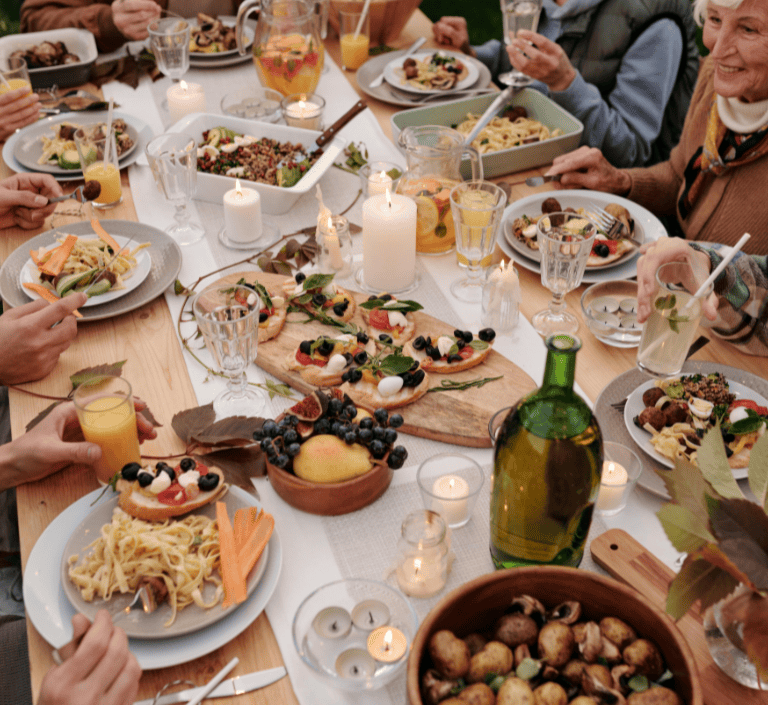
What if I don’t want to eat five meals a week in the common house? You don’t have to! Common meals are completely voluntary. You can join as often or as rarely as you like. Most residents find that shared meals quickly become one of their favorite parts of cohousing — but your level of participation is entirely up to you.
Will Gratitude Village be able to handle dietary restrictions? Yes. Because community meals are optional and planned in advance, it’s easy to accommodate a wide range of dietary needs. Among our founders, we already have vegetarians, a celiac member and even a functional medicine doctor who’s passionate about healthy eating — so thoughtful food choices are part of our culture from day one.
Do I have to attend a lot of meetings? There are usually more meetings in the early stages of development and as residents move in. Once the community finds its rhythm, expect a quarterly (or monthly) all-community meeting, plus smaller circle or pod meetings as needed. We’ll always strive to keep meetings efficient, purposeful, and — whenever possible — enjoyable!



💰Money Questions
How do I get involved? There are four ways to join and support Gratitude Village Colorado (GVCO):
1. Donate.
If you believe in our mission but don’t plan to live here, you can still make a difference! Donations to Gratitude Village Inc. are tax-deductible and directly support our programs, outreach, and community development. You’ll find donation links throughout our website, or you can give directly.
2. Become an Explorer.
Curious about cohousing but not ready to make the full financial leap? Join as an Explorer Member for just $150 per family. This six-month window lets you attend business meetings, get to know future neighbors, and see how decisions are made. You’ll learn, imagine, and explore at your own pace — and you’ll secure your spot in the home-selection queue when you’re ready to move forward.
3. Become a Founding Member.
If you’re ready to help create a life centered on connection, sustainability, and belonging, join us as a Founding Member. A $5,000 deposit goes directly toward your future home, and if you join before land is purchased, you’ll receive a $2,500 early-adopter credit — bringing the total value of your initial investment to $7,500. Founders guide key decisions, participate in design workshops, and get first choice of homesites. It’s your chance to shape something meaningful from the ground up.
4. Invest.
Feeling called to be an Angel Investor? Your investment helps us secure land, begin construction, and model a new way of living that values people, planet, and purpose. Investments like yours don’t just build homes — they help families thrive and communities flourish. To learn more, email suzie@gratitudevillageco.com or schedule a 30-minute one-on-one consultation.
What are the upfront and ongoing costs? We’re still finalizing these details with our founding group, but here’s how it typically works in cohousing developments: Future residents share the pre-development costs that carry the community to the point of financing or construction. These may include deposits on land, feasibility and environmental studies, consultant fees, and architectural or engineering plans submitted to the city. Payments often happen in stages through what’s called “cash calls.” Once the community secures financing, those early contributions roll into each household’s investment in their home.
What are community development costs? These are the expenses that get us to “shovel-ready.” They include consultant and legal fees, land deposits, surveys, engineering, accounting, marketing, and local government filings — everything needed before the first wall goes up.
Is there a cap on “cash calls”? Yes. Total pre-development contributions are not expected to exceed your eventual down payment (typically 10–20% of your home’s cost). Before those numbers are finalized, all founders will work with a mortgage broker to confirm affordability. We’ll start with the household that can afford the least and design the community’s budget upward from there — ensuring everyone who wants to live at Gratitude Village can do so sustainably.
What happens to my money if I change my mind? Life happens! Whether it’s a family emergency, a move across the country, or even (we hope not) alien space invaders, we’ve planned for every scenario.
😱 Worst case: GVCO doesn’t move forward.
Because we’re a 501(c)(3) nonprofit, your deposits become tax-deductible contributions. You can’t double-dip by also applying them toward a home, but you’ll still receive a charitable deduction.
😬 Mid case 1: You withdraw before your home is built.
Your deposits convert into a loan to the community, paid back with 10% interest once the community is completed. This is accounted for in our financial plan (see Resident Handbook, page 9).
🙂 Mid case 2: You’ve built your home but need to sell.
You sell your home as usual, keep any appreciation, and move on to your next adventure — with our gratitude and good wishes.
🥰 Best case: You move in, love it here, and stay forever.
Enough said!
How does homeownership work at GVCO? Each household owns its own home and the land it sits on — except for homes in our permanently affordable program (through a community land trust, co-op, or deed restriction). Homeowners are responsible for financing their purchase and paying property taxes, plus a monthly HOA fee for shared spaces and services.
What will the HOA dues be? Final dues will be set once the community is complete, based on the amenities founders choose to include and the overall operating budget. Comparable cohousing communities range from $325 to $800 per month, depending on size and services. At Gratitude Village, HOA fees will likely cover:
Maintenance and operations
Utilities (water, electric, trash, internet, snow removal)
Shared community expenses
Access to common spaces such as:
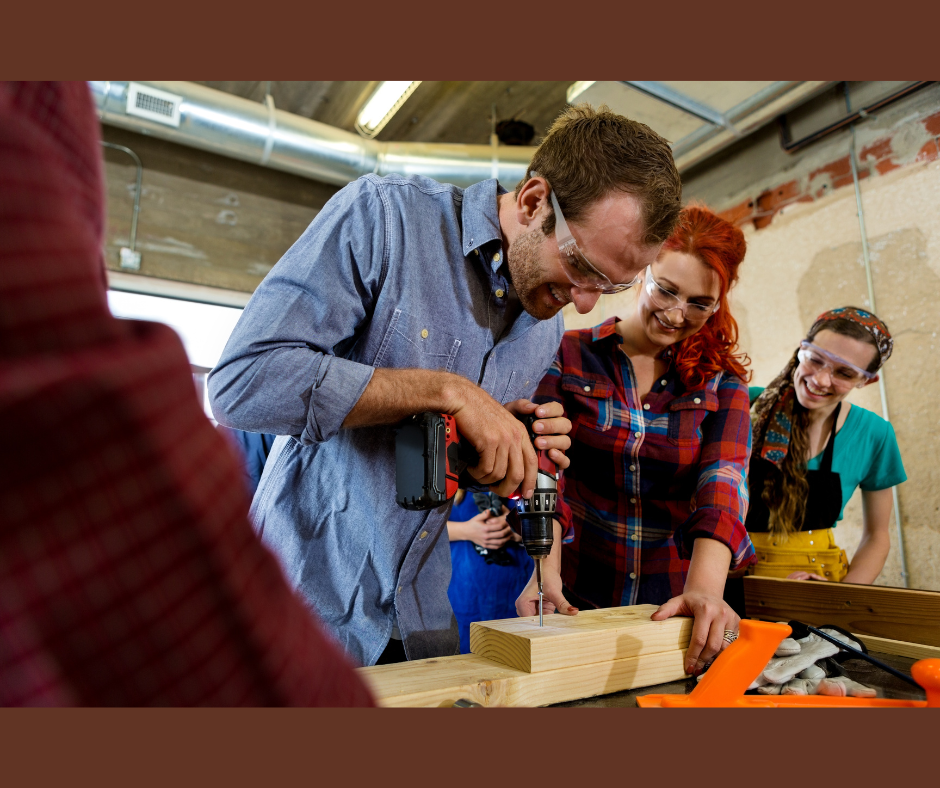
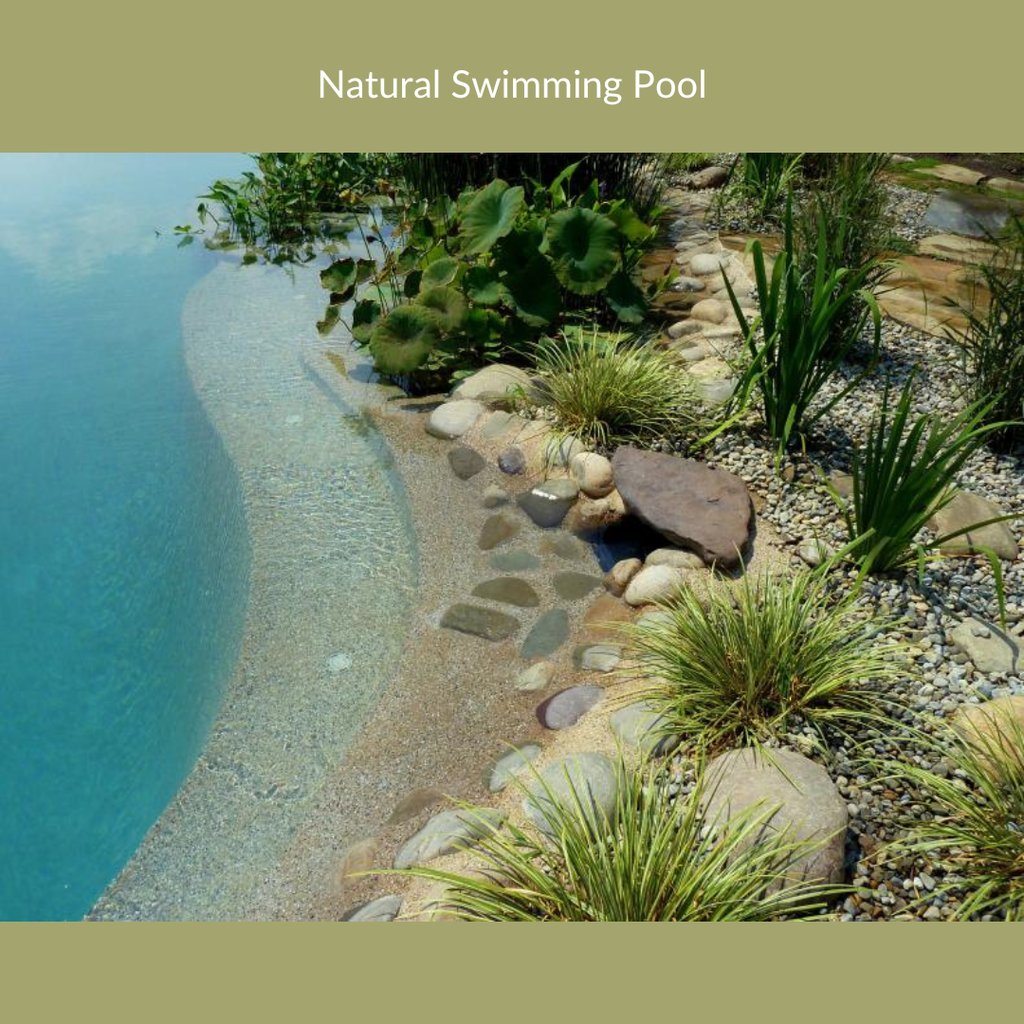
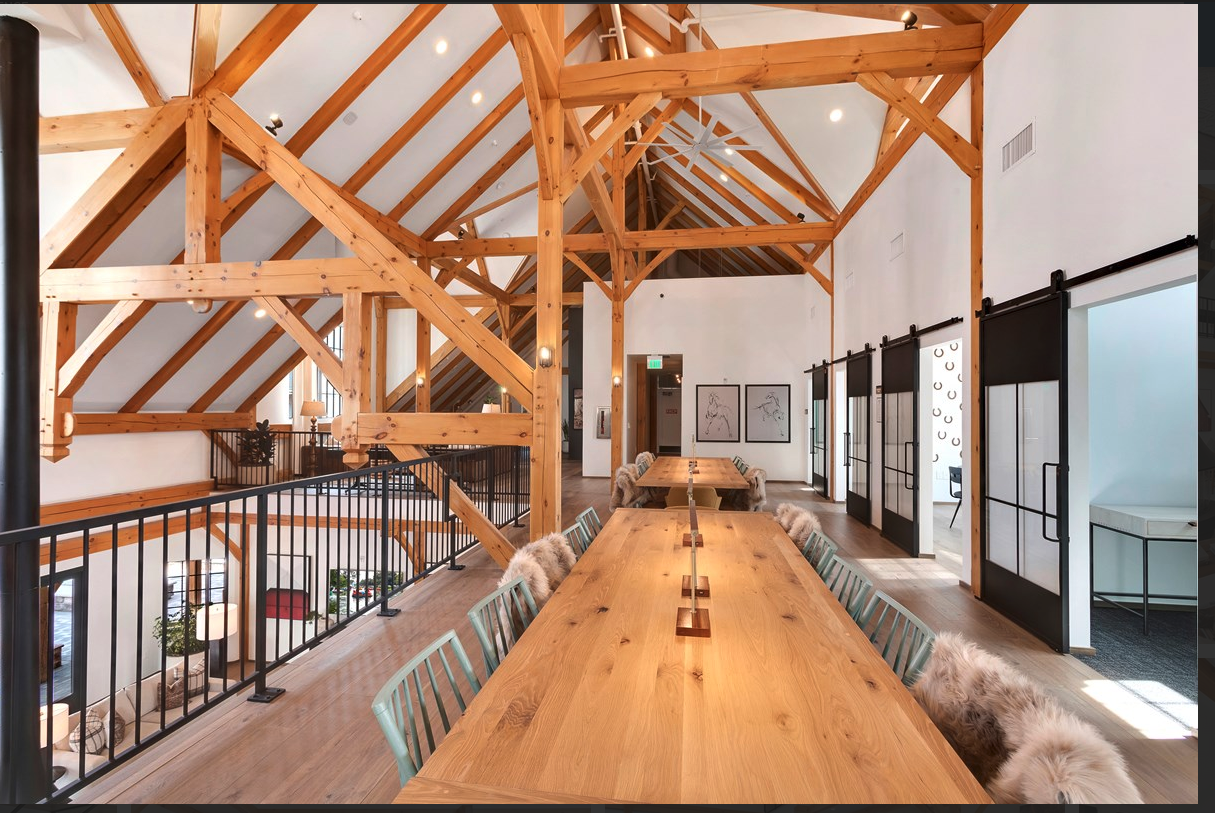
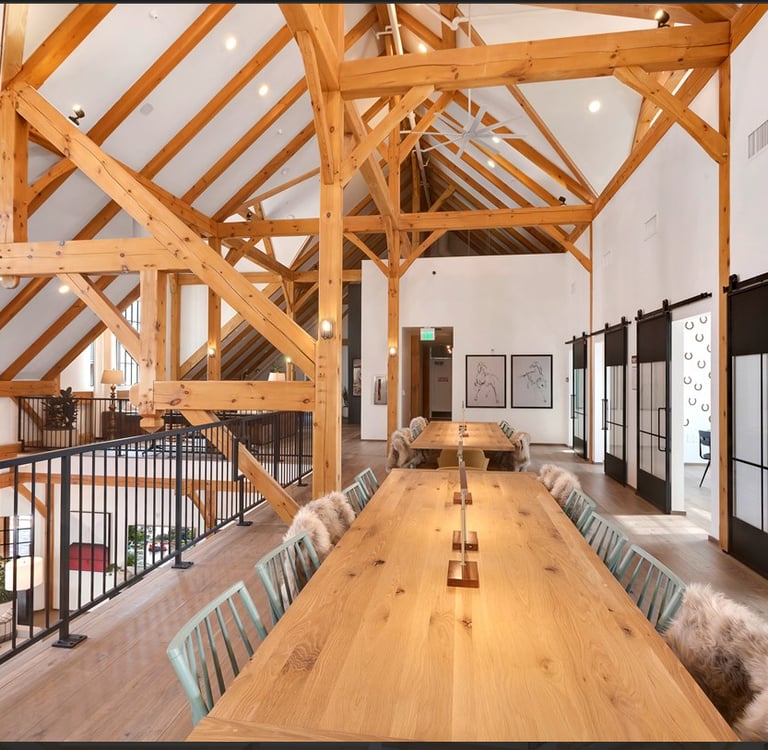
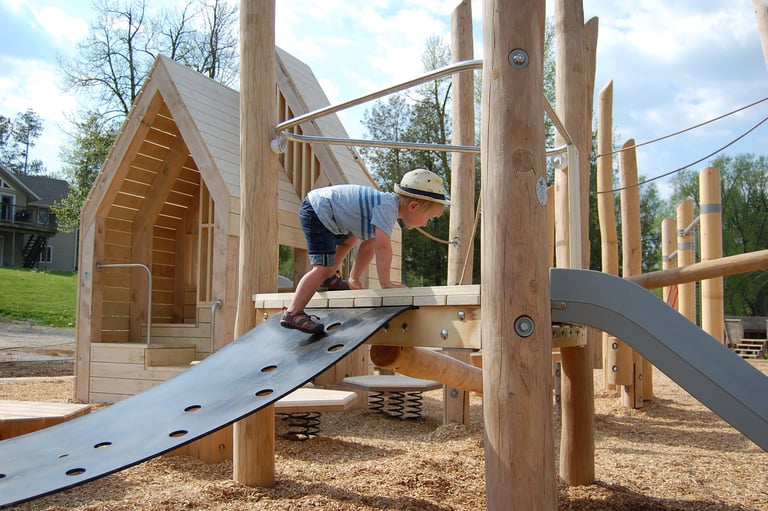
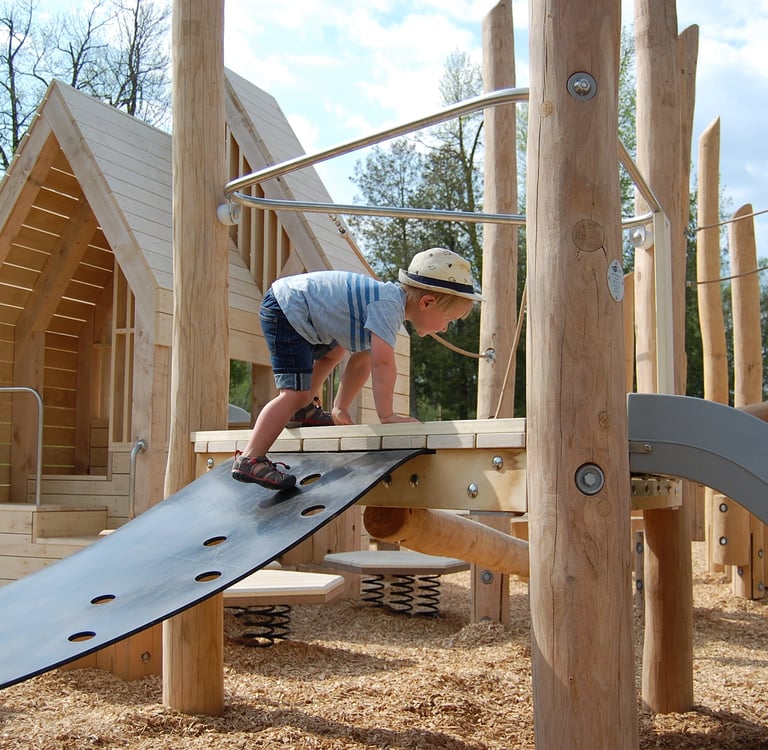
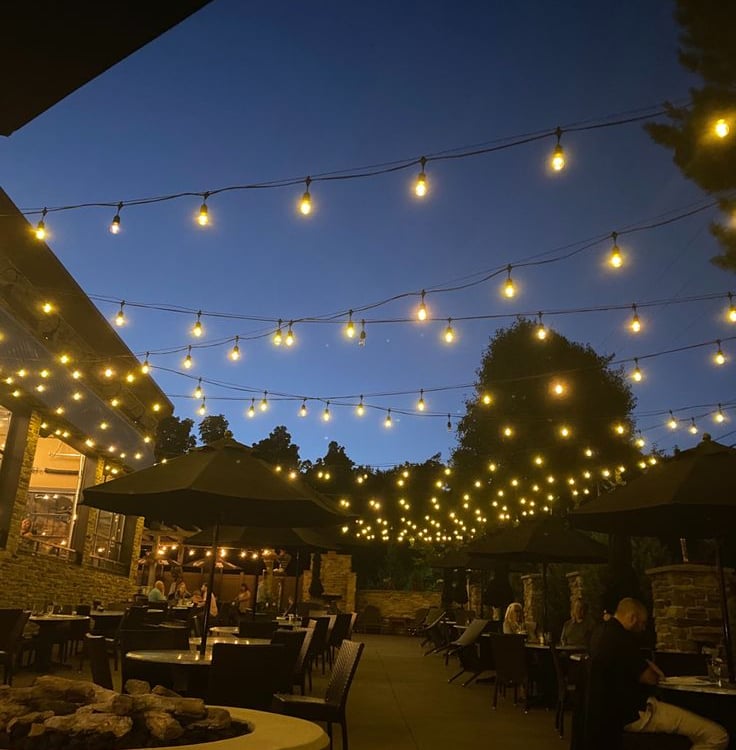
the Common House (with guest rooms, kitchen, lounges, gym, theater, library, and coworking space), gardens, greenhouse, makerspace, playground, dog park, and possibly a naturally-filtered pool!
Is cohousing more expensive than traditional housing? Yes and no. Upfront costs can be higher because residents co-own shared land and facilities. The more amenities (and the fewer households), the higher each household’s share of the cost. But here’s the good news: over time, sustainable design saves money.
A Passive House-certified home can reduce heating and cooling energy use by 70–90%, cutting annual costs by thousands. With NetZero solar design, many households pay little to nothing for energy. When you factor in lower utility bills, shared resources, and the longevity of community living (most cohousing residents stay 15+ years), the long-term savings and quality of life far outweigh the upfront investment.


















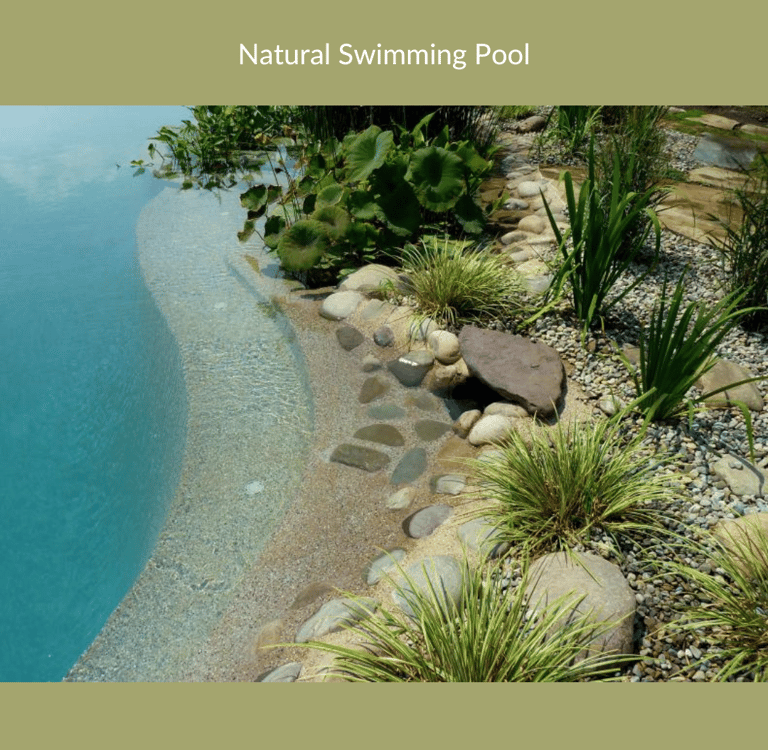


How will Gratitude Village care for the planet? From day one, sustainability has been at our core. Homes will meet Passive House standards, the community will aim for LEED certification, and we’ll rely on solar power and water-wise landscaping. We’re committed to walking gently on the earth while living fully within it.
Have you considered Zero Carbon? Yes we are considering this option since one of our incoming board members asked us about it. Gratitude Village is already committed to Passive House design, Net Zero energy, and LEED-level sustainability, which dramatically reduce our carbon footprint. Zero Carbon goes one step further by addressing not just the energy a community uses, but also the embodied carbon in building materials, construction practices, and long-term operations.
We’re exploring ways to integrate Zero Carbon principles into our design and development process, including:
Using low-carbon or carbon-storing materials such as FSC-certified wood, cellulose insulation, and low-carbon concrete mixes
Prioritizing local materials and suppliers to reduce transportation emissions
Designing for high durability and long life cycles, minimizing the need for carbon-intensive renovations
Incorporating renewable energy systems, electric vehicle infrastructure, and walkable layouts to reduce transportation emissions
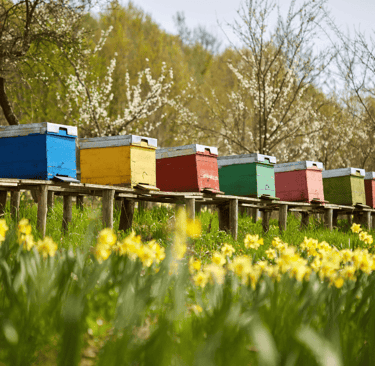
Restoring landscapes with native plants, trees, and pollinator habitats that sequester carbon over time
While achieving full Zero Carbon construction can be cost-prohibitive for many communities, we are committed to integrating these principles wherever possible — and continually improving as technology, partnerships, and funding options expand. Our goal is to create a community that is not only beautiful and connected, but truly climate-resilient for generations to come.
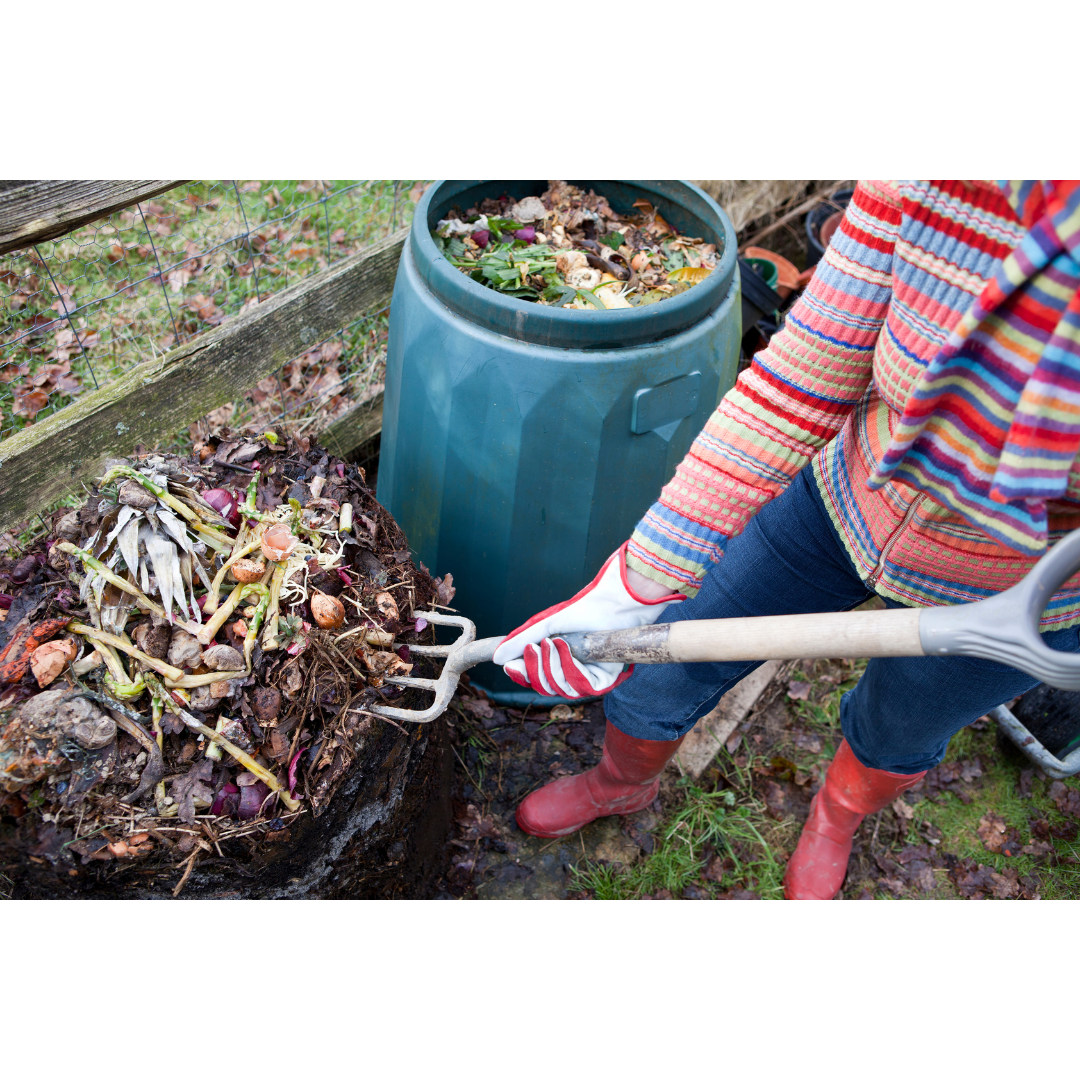
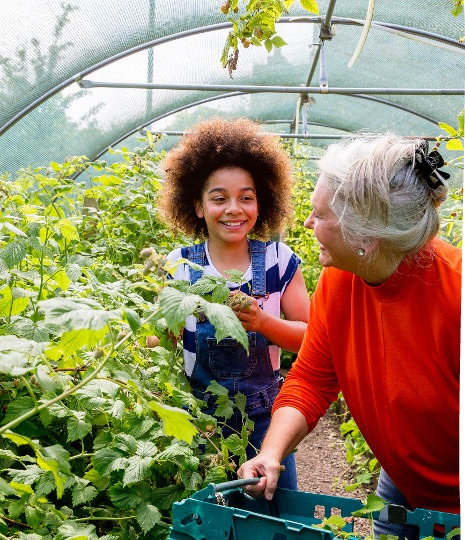
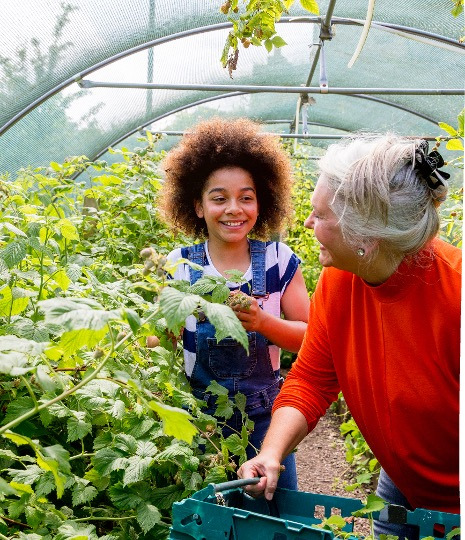
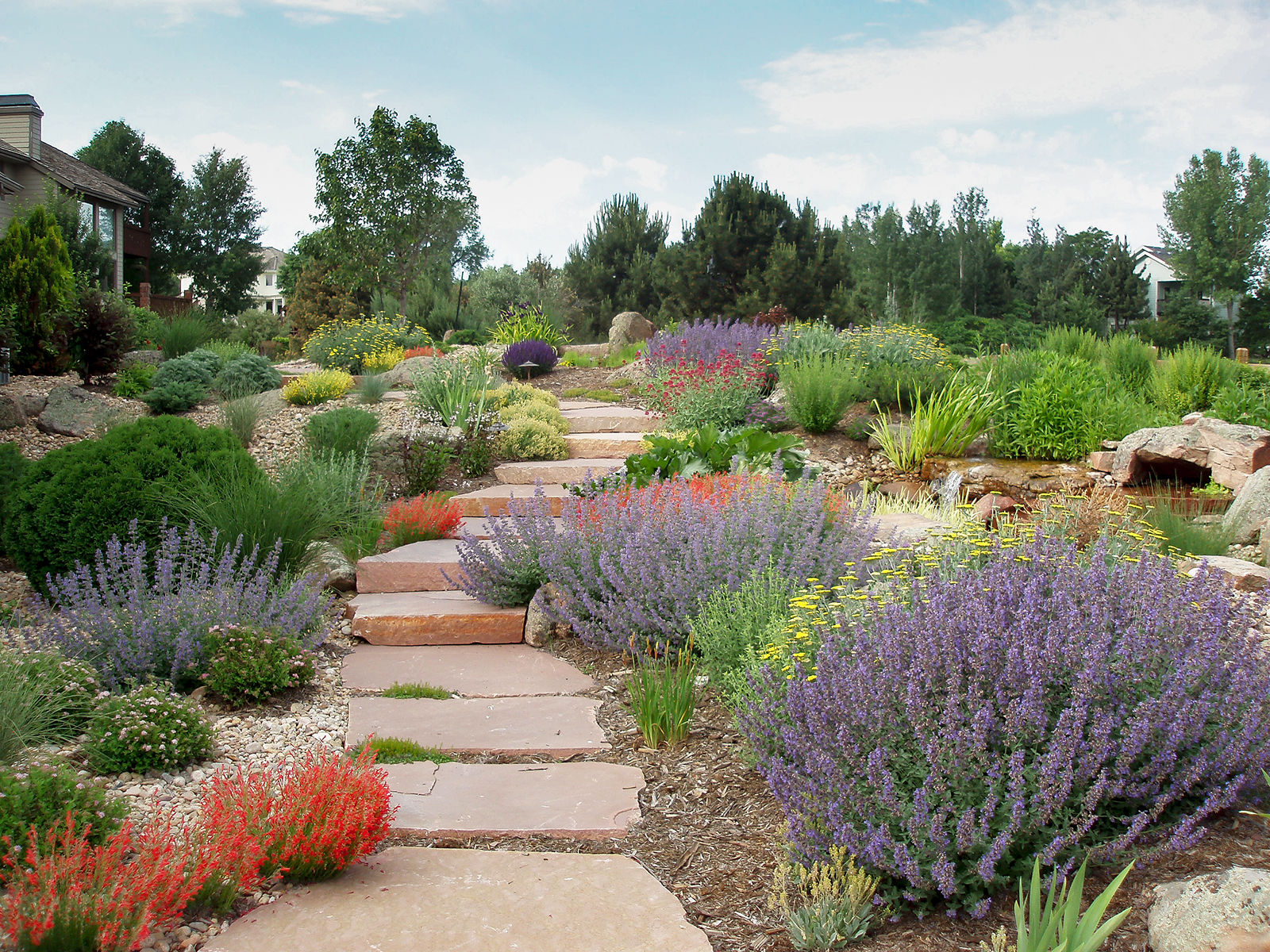
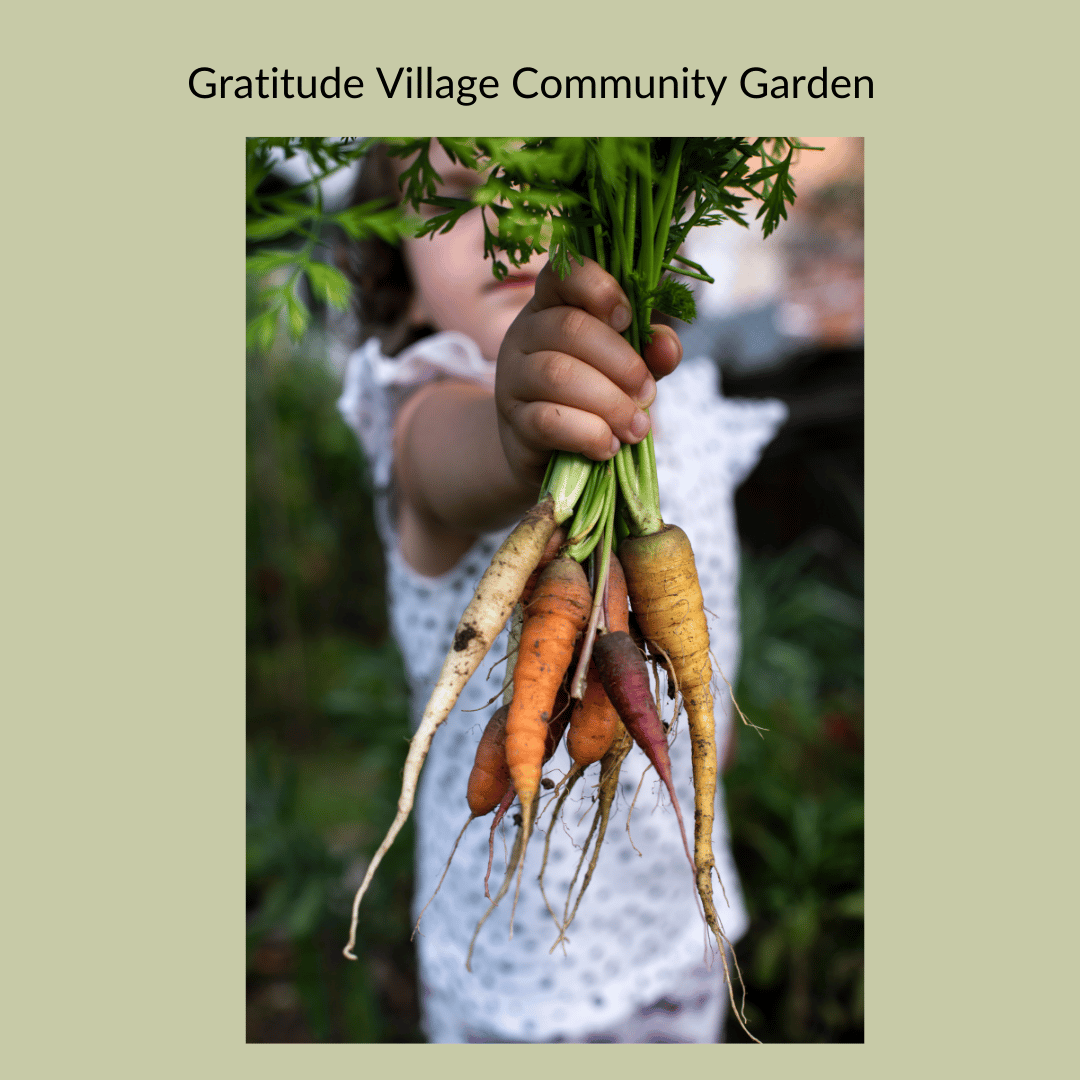
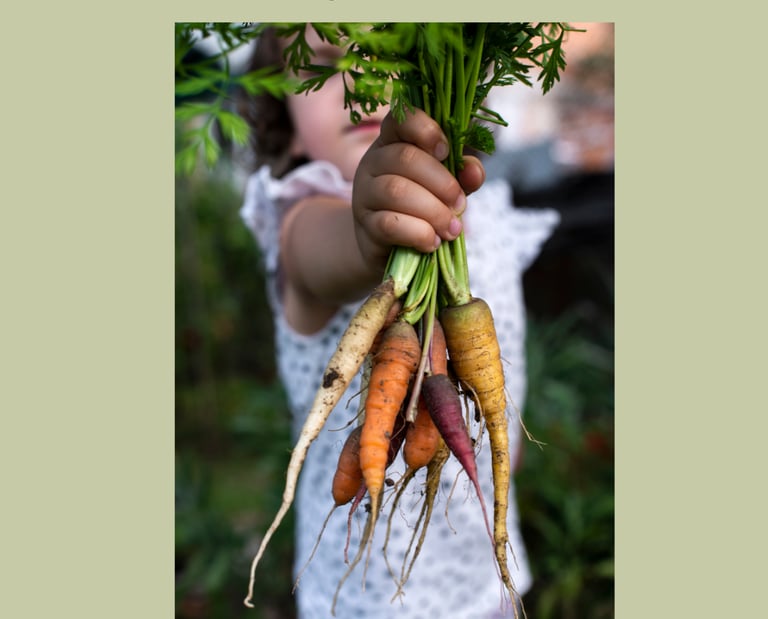
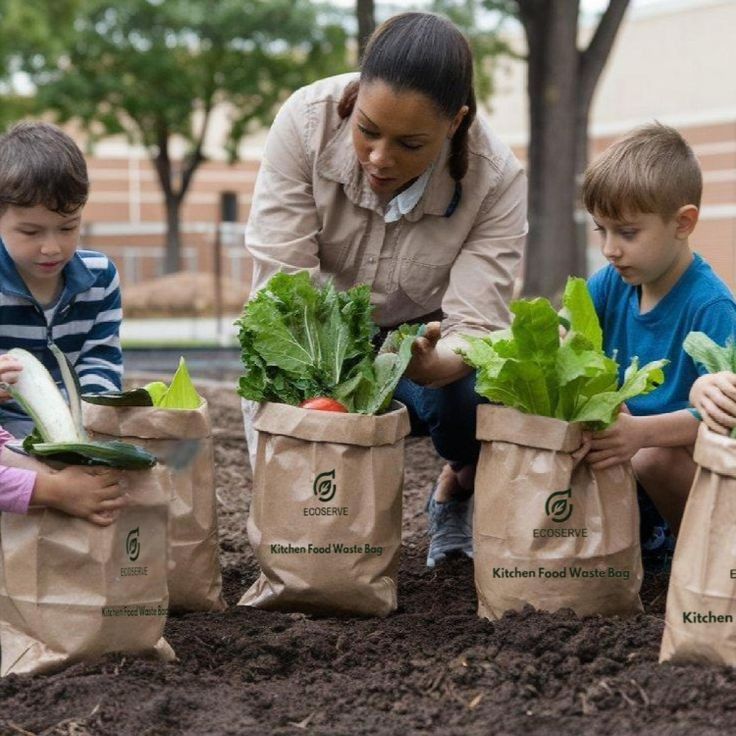
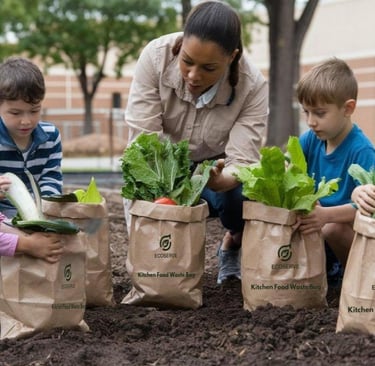
Will there be gardens or composting on site? Absolutely! Our plans include community gardens, composting, and a large greenhouse for year-round food production. Residents can grow vegetables, herbs, and flowers, practice xeriscaping, and learn from one another about sustainable living.
What does “Net Zero” mean for Gratitude Village? Net Zero means that our community will produce as much energy as it uses — or even more — through renewable sources like solar power. Combined with airtight, energy-efficient homes, this approach keeps utility costs low and carbon footprints minimal.
Will there be gardens or composting on site? Absolutely! Our plans include community gardens, composting, and a large dome greenhouse for year-round food production. Residents can grow vegetables, herbs, and flowers, practice xeriscaping, and learn from one another about regenerative gardening and permaculture.
Will Gratitude Village include edible landscaping? Yes! Fruit trees, berry bushes, and perennial herbs will be woven throughout the landscape. This approach not only provides fresh, local food but also creates habitat for pollinators and a more beautiful, abundant environment.
What about water conservation? We plan to incorporate greywater recycling, rainwater harvesting and drought-tolerant landscaping. Every design choice — from native plants to efficient irrigation systems — will help us conserve this precious Colorado resource while keeping our grounds vibrant and healthy.
How will waste and recycling be managed? We’ll minimize waste through composting, recycling, bulk purchasing and tool libraries — reducing packaging and consumption overall. By sharing resources, we’ll lower our collective impact and make sustainability simple and practical for everyone.
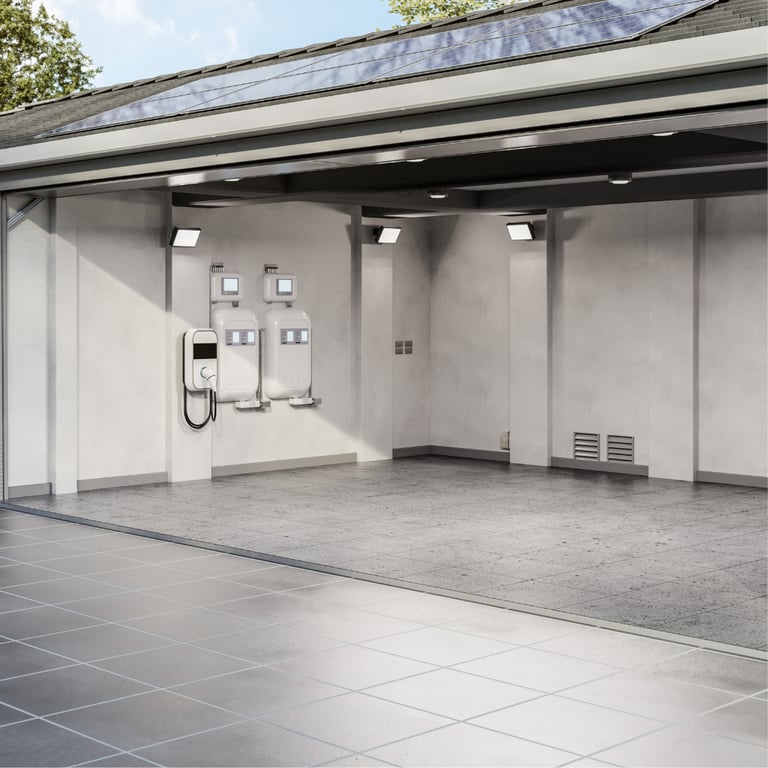
Will there be electric vehicle (EV) charging? Yes. EV charging stations will be available within the community garages and parking areas, making it easy for residents and guests to drive electric. We’re also exploring shared electric vehicles and e-bike storage to reduce the need for car ownership altogether.
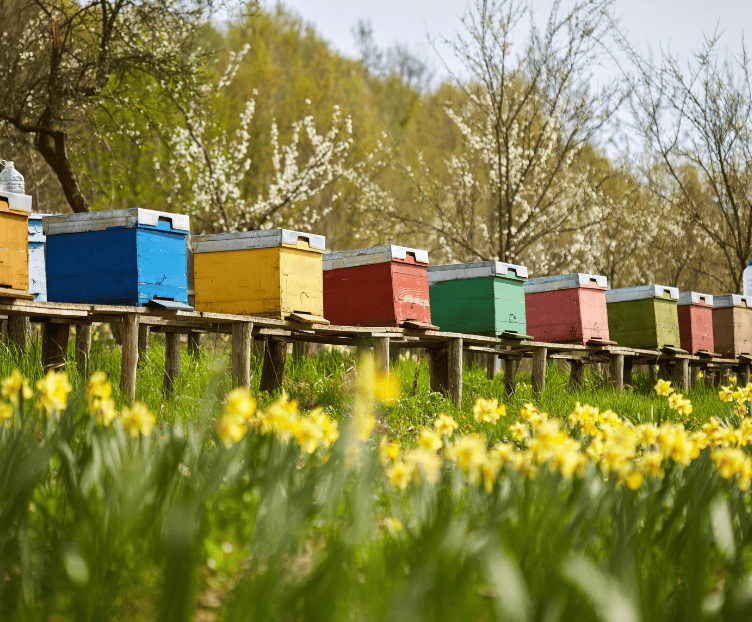
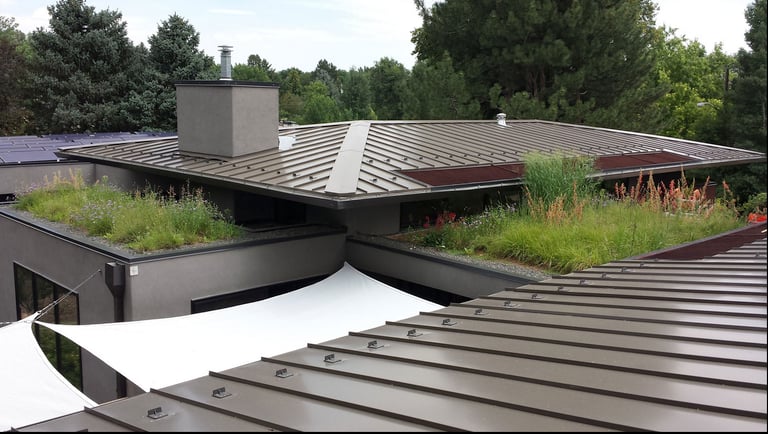
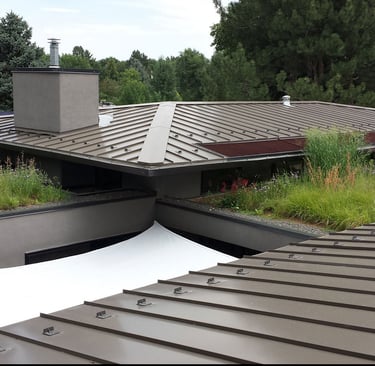
How will Gratitude Village support biodiversity? We’re planning to landscape with native plants, pollinator-friendly gardens, and natural green corridors that invite birds, butterflies, and bees to thrive alongside us. Even our green roofs and community gardens will contribute to restoring local ecosystems.
Will sustainability education be part of community life? Definitely. Gratitude Village is as much about learning as it is about living sustainably. We envision workshops on gardening, composting, solar systems, and zero-waste living — led by residents and local experts — so everyone can deepen their knowledge and share their skills.
🌳 Sustainability & Environment





















COMMUNITY
Join us in embracing nature, diversity and connection.
Sustainability
DIVERSITY
info@gratitudevillageco.com
720-689-4821
© 2026. All rights reserved.
AFFORDABILITY
Gratitude Village Inc. is a 501(c)3 charitable corporation (public charity) that values diversity, equity and inclusion as essential to our mission. EIN #33-2499522
Subscribe to our Substack
Refund Policy
Gratitude Village is a Proud Member of these organizations